任意のキャラクター→12コマ変身絵コンテ:完全プロンプト
3×4の変身ストーリーボード:初期衣装から最終形態まで段階的に開示、悪魔の翼の使い回しは禁止。ショートドラマ/広告の絵コンテテンプレート、スレッドに動画へのつなぎ方を添付。
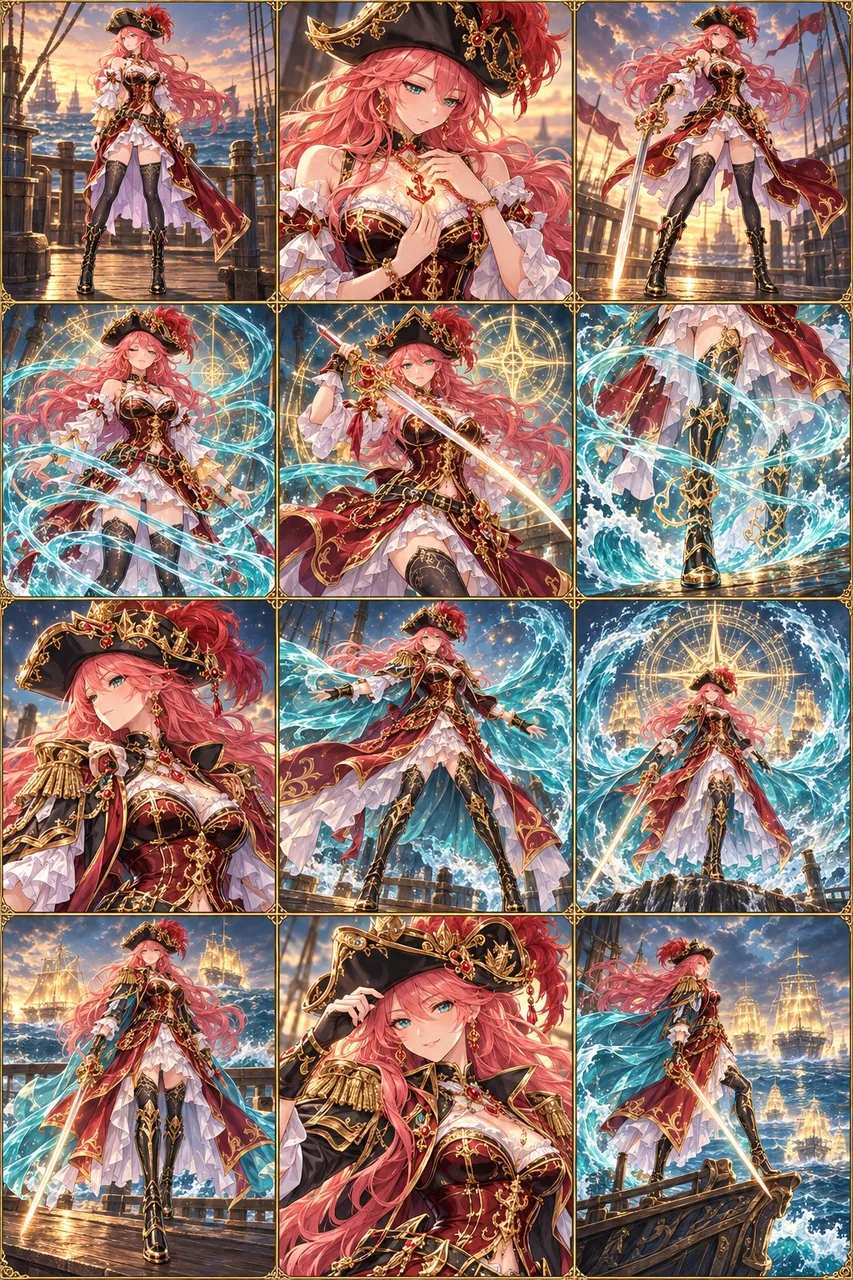
プロンプト
Create a 12-panel transformation storyboard for the character in the uploaded reference image, arranged in a clean 3-column × 4-row grid, read left to right and top to bottom.

CHARACTER AND CONCEPT
First, visually analyze the character’s identity, outfit, signature accessories, color palette, personality, and apparent world or profession. Use these details to invent a distinctive transformation theme that feels like a natural evolution of this specific character.

Choose a coherent power source, visual effects, transformation mechanism, and final evolved form. Derive these from the character rather than defaulting to generic demon wings, horns, purple lightning, or an unrelated costume.

The final form must show a substantial, deliberate change in silhouette, costume structure, materials, and signature accessories—not merely the original outfit with a glowing aura. Preserve enough recognizable motifs that the result unmistakably feels like the same character.

IDENTITY CONSISTENCY
Keep the same face, apparent age, body proportions, skin tone, and defining features throughout all 12 panels. Preserve the character’s signature hair color and recognizable hairstyle, allowing natural movement and subtle styling changes. Maintain the reference image’s illustration style.

Begin with the original outfit faithfully reproduced. Design one coherent final outfit and reveal it progressively. Once a transformed element appears, keep its design consistent in all subsequent panels.

12-PANEL SEQUENCE
Panel 1 — Original state: Clearly establish the reference character in their original outfit, with a readable full-body silhouette in an appropriate setting.
Panel 2 — Trigger: A signature accessory, gesture, or environmental element activates the character’s latent power.
Panel 3 — Response: The character notices the change and makes a purposeful movement. Small thematic effects begin to gather.
Panel 4 — Gathering power: The transformation energy establishes a clear direction and motion around the character.
Panel 5 — First visible change: One important costume element or accessory evolves, clearly showing the transformation mechanism.
Panel 6 — Progression: The transformation travels across the body, forming new clothing, armor, ornamentation, or other theme-appropriate details.
Panel 7 — Defining detail: Show a closer view of a major identity-linked upgrade, such as headwear, shoulder pieces, a weapon, or a magical accessory.
Panel 8 — Silhouette expansion: Reveal the largest structural change, such as a flowing mantle, elongated coat, layered armor, or another character-specific feature.
Panel 9 — Climax: Show the peak of the transformation with a powerful pose and dramatic thematic effects. Keep the character readable.
Panel 10 — Full reveal: Effects clear to reveal the complete evolved form in a clean full-body view.
Panel 11 — Personality moment: The character makes a small expressive gesture that conveys their personality and newfound confidence.
Panel 12 — Final hero image: Finish with a striking full-body pose that clearly displays the completed design, with restrained residual effects and a resolved background.

VISUAL DIRECTION
Build a clear emotional progression from anticipation to awakening to mastery, adapted to the character’s personality. The character actively participates in the transformation rather than simply standing still.

Use a cohesive environment and lighting progression across the sequence. Vary framing between full-body, three-quarter, and selective detail shots while maintaining spatial continuity. Prioritize full-body views for the original state, major silhouette changes, and final reveal.

Make every panel advance the transformation. Show intermediate stages with clear visual cause and effect; do not jump abruptly from the original outfit to the final costume.

Use elegant, theme-specific transitions such as flowing material, particles assembling into solid forms, unfolding structures, or energy passing over and revealing new costume elements. Keep anatomy stable and clothing coherent. No nudity or erotic framing.

OUTPUT
One polished, high-resolution storyboard image containing exactly 12 distinct panels with thin, consistent borders. Balance character detail with visual clarity. No captions, labels, speech bubbles, logos, or watermarks.

Do not reproduce the uploaded reference sheet’s layout or duplicate its multiple views. Use the uploaded image to identify one character, then depict that same character across a new, continuous transformation sequence.
日本語訳
アップロードされた参考画像のキャラクターについて、12コマの変身ストーリーボードを作成してください。3列×4行の整理されたグリッドで配置し、左から右、上から下へと読み進める構成にします。

キャラクターとコンセプト
まず、キャラクターのアイデンティティ、衣装、トレードマークの小物、カラーパレット、性格、そして想定される世界観や職業を視覚的に分析してください。これらのディテールを使って、この特定のキャラクターが自然に進化したと感じられる、独自の変身テーマを考案します。

一貫性のある力の源、視覚効果、変身のメカニズム、そして最終進化形態を選んでください。ありきたりな悪魔の翼、角、紫の稲妻、無関係なコスチュームに安易に頼るのではなく、これらはすべてキャラクターから導き出します。

最終形態は、シルエット、衣装の構造、素材、トレードマークの小物において、明確で意図的な大きな変化を示さなければなりません。元の衣装が光るオーラをまとっただけでは不十分です。ただし、結果が間違いなく同じキャラクターだと感じられるだけの、認識可能なモチーフは十分に残してください。

アイデンティティの一貫性
12コマすべてを通して、同じ顔、見た目の年齢、体型のプロポーション、肌の色、特徴的な要素を保ってください。キャラクターのトレードマークの髪色と認識可能な髪型を維持しつつ、自然な動きや微妙なスタイリングの変化は許容します。参考画像のイラストスタイルを維持してください。

まず元の衣装を忠実に再現した状態から始めます。一貫性のある最終衣装を1つデザインし、それを段階的に見せていってください。一度変身した要素が登場したら、それ以降のすべてのコマでそのデザインを一貫させます。

12コマのシークエンス
コマ1 — 元の状態:参考キャラクターを元の衣装のまま明確に提示し、ふさわしい環境で全身のシルエットが読み取れるようにします。
コマ2 — トリガー:トレードマークの小物、仕草、あるいは環境の要素が、キャラクターに眠る力を発動させます。
コマ3 — 反応:キャラクターが変化に気づき、意図のある動作をします。小さなテーマ性のあるエフェクトが集まり始めます。
コマ4 — 力の集束:変身のエネルギーが、キャラクターのまわりに明確な方向性と動きを生み出します。
コマ5 — 最初の目に見える変化:重要な衣装の要素や小物が1つ変化し、変身のメカニズムをはっきりと示します。
コマ6 — 進行:変身が全身に広がり、新しい衣服、鎧、装飾、その他テーマにふさわしいディテールを形成していきます。
コマ7 — 決め手のディテール:頭部の装い、肩当て、武器、魔法的な小物など、アイデンティティに直結する主要なアップグレードを寄りで見せます。
コマ8 — シルエットの拡張:流れるマント、長く伸びたコート、重ねられた鎧など、最も大きな構造的変化を明かします。
コマ9 — クライマックス:力強いポーズとドラマチックなテーマ性のあるエフェクトで、変身の頂点を見せます。キャラクターは読み取れる状態に保ってください。
コマ10 — 完全公開:エフェクトが晴れ、完成した進化形態がクリーンな全身像で明らかになります。
コマ11 — 性格の瞬間:キャラクターが、その性格と新たに得た自信を伝える小さな表情豊かな仕草をします。
コマ12 — 最後のヒーローカット:完成したデザインがはっきりと分かる印象的な全身ポーズで締めくくり、残留エフェクトは控えめにし、背景も落ち着かせます。

ビジュアルディレクション
予感から覚醒、そして熟達へと至る明確な感情の流れを、キャラクターの性格に合わせて組み立ててください。キャラクターはただ立っているだけではなく、変身に能動的に参加します。

シークエンス全体を通して、一貫した環境とライティングの変化を用いてください。全身、スリークォーター、部分的なディテールショットの間でフレーミングを変化させつつ、空間的な連続性を保ちます。元の状態、大きなシルエットの変化、そして最終公開では全身のカットを優先してください。

すべてのコマが変身を進めるものにしてください。中間段階は明確な視覚的因果関係をもって示し、元の衣装から最終衣装へいきなり飛ばないようにします。

流れる素材、固体の形へと組み上がる粒子、展開する構造、エネルギーが通過して新しい衣装の要素を現すといった、エレガントでテーマ固有の遷移を用いてください。人体の構造は安定させ、衣服の一貫性を保ちます。ヌードや性的なフレーミングは禁止です。

出力
ちょうど12の明確なコマを含み、細く一貫した枠線を持つ、洗練された高解像度のストーリーボード画像を1枚。キャラクターのディテールと視覚的な分かりやすさのバランスを取ってください。キャプション、ラベル、吹き出し、ロゴ、ウォーターマークは入れません。

アップロードされた参考シートのレイアウトを再現したり、その複数のビューを複製したりしないでください。アップロード画像は1人のキャラクターを特定するために使い、その同じキャラクターを新しい連続した変身シークエンスとして描いてください。
出典
- 原作者
- Mayz1169
- 公開日
- 2026-09-16
- 原典
- 元の投稿を見る ↗
- 収録元
- xianyu110/awesome-gpt-image2.5 · 2100135954032087346 · MIT